Plant Care
Cultivation guides, care calendars, and botanical profiles for authentic Japanese garden plants.
Japanese Garden Plant Profiles
 Intermediate
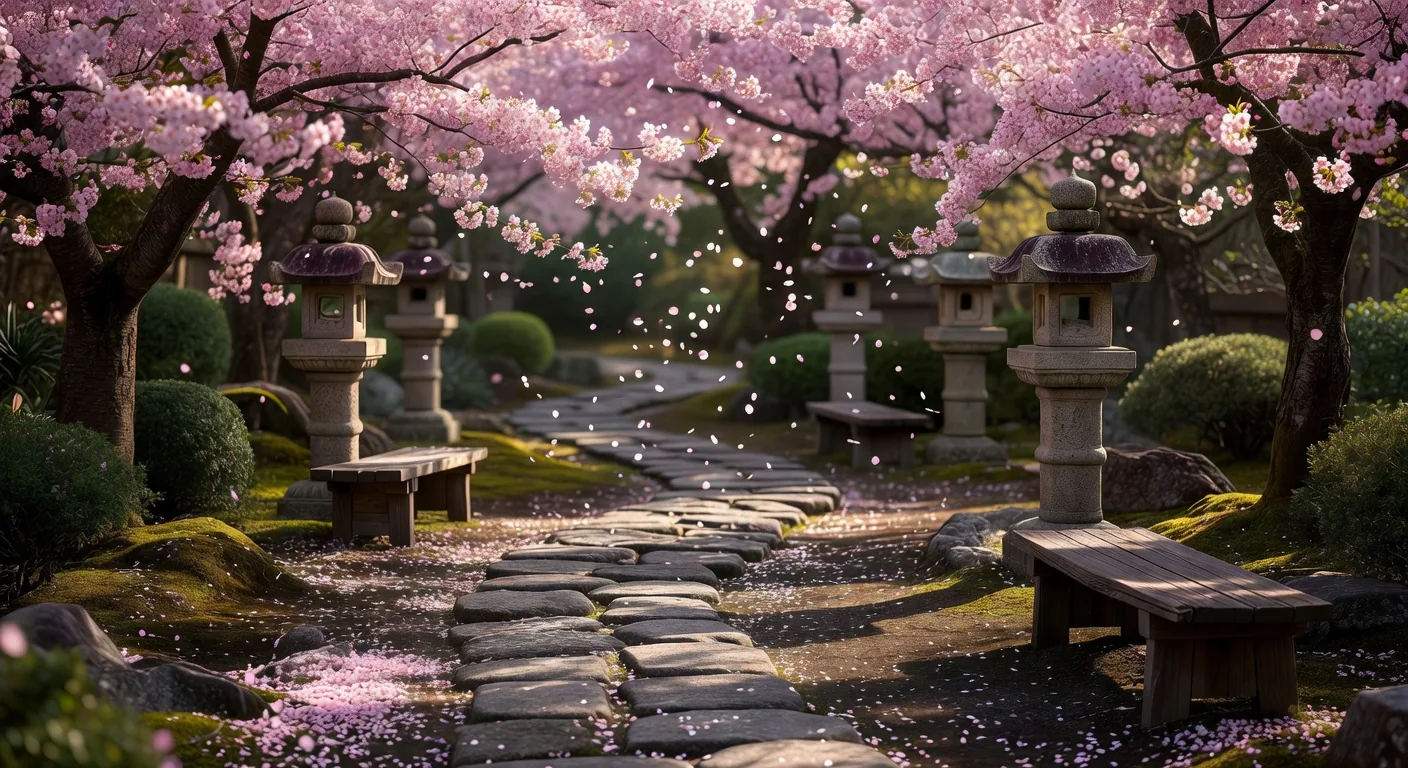
Japanese Cherry (Prunus serrulata)
The quintessential Japanese garden tree. Its brief, glorious bloom embodies mono no aware — the poignant awareness of impermanence. Site in full sun with well-drained soil.
 Beginner
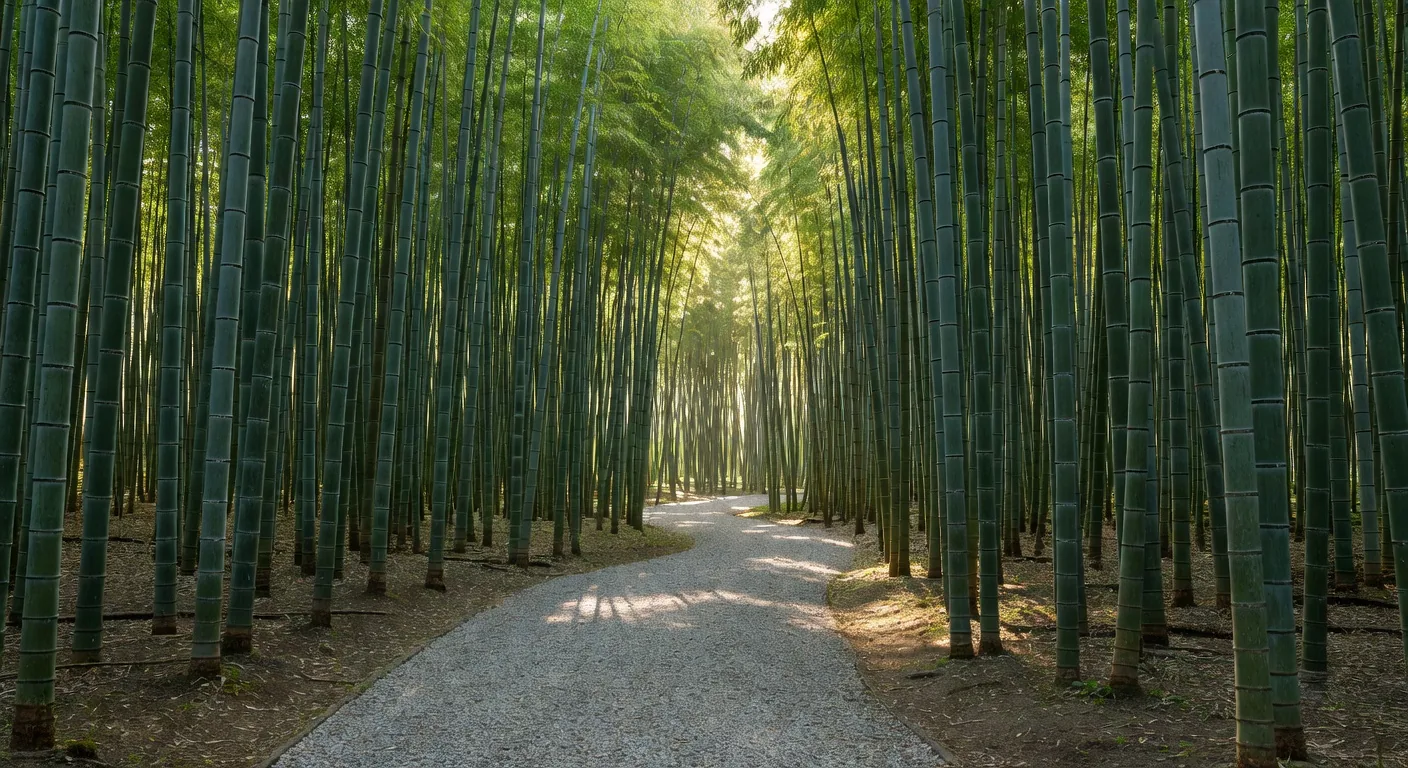
Black Bamboo (Phyllostachys nigra)
Strikingly elegant with midnight-black culms that mature over 2–3 years. Install deep root barriers. Thrives in full sun to partial shade with consistent moisture.
 Intermediate
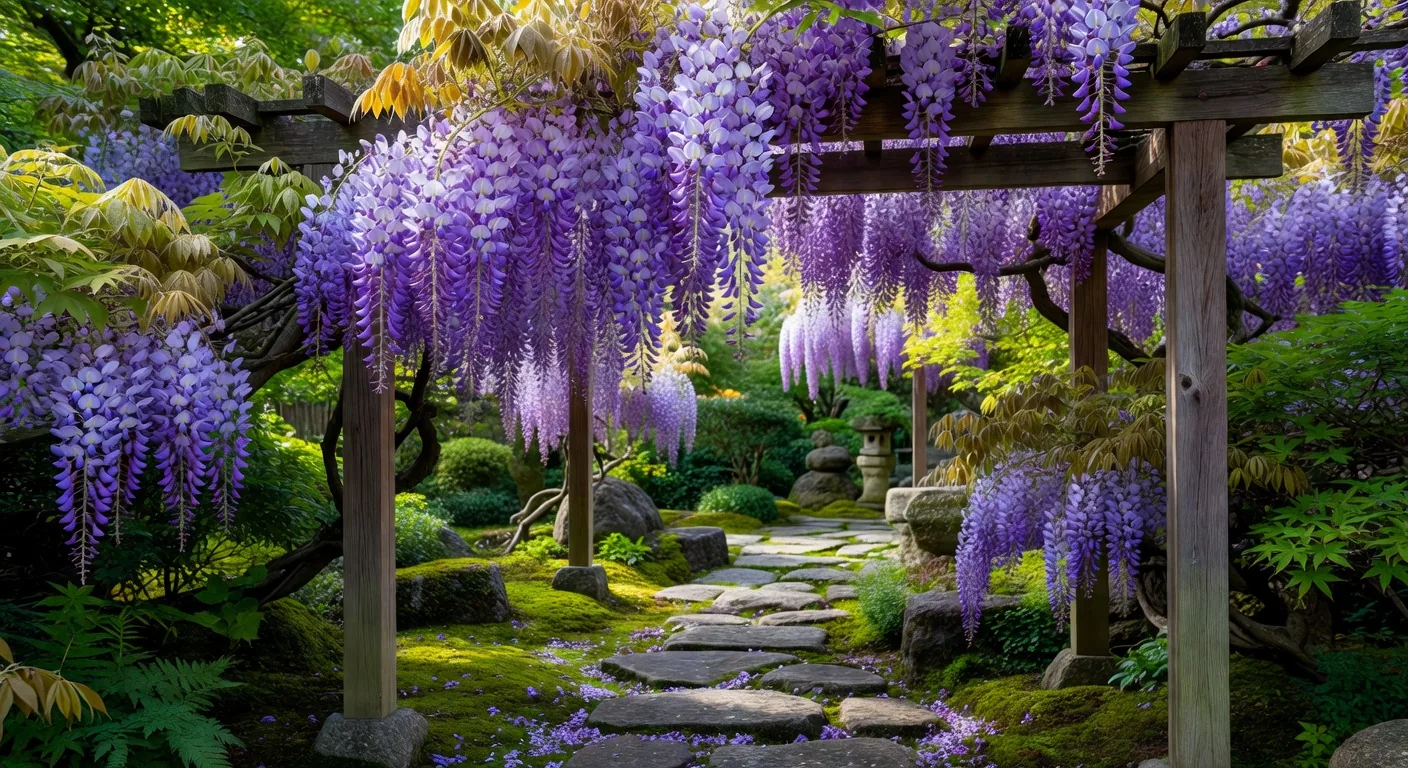
Japanese Wisteria (Wisteria floribunda)
Magnificent cascading flower clusters up to 80 cm long. Train over a pergola above a reflecting pond. Flowers in late spring; prune twice yearly for best flowering.
 Beginner
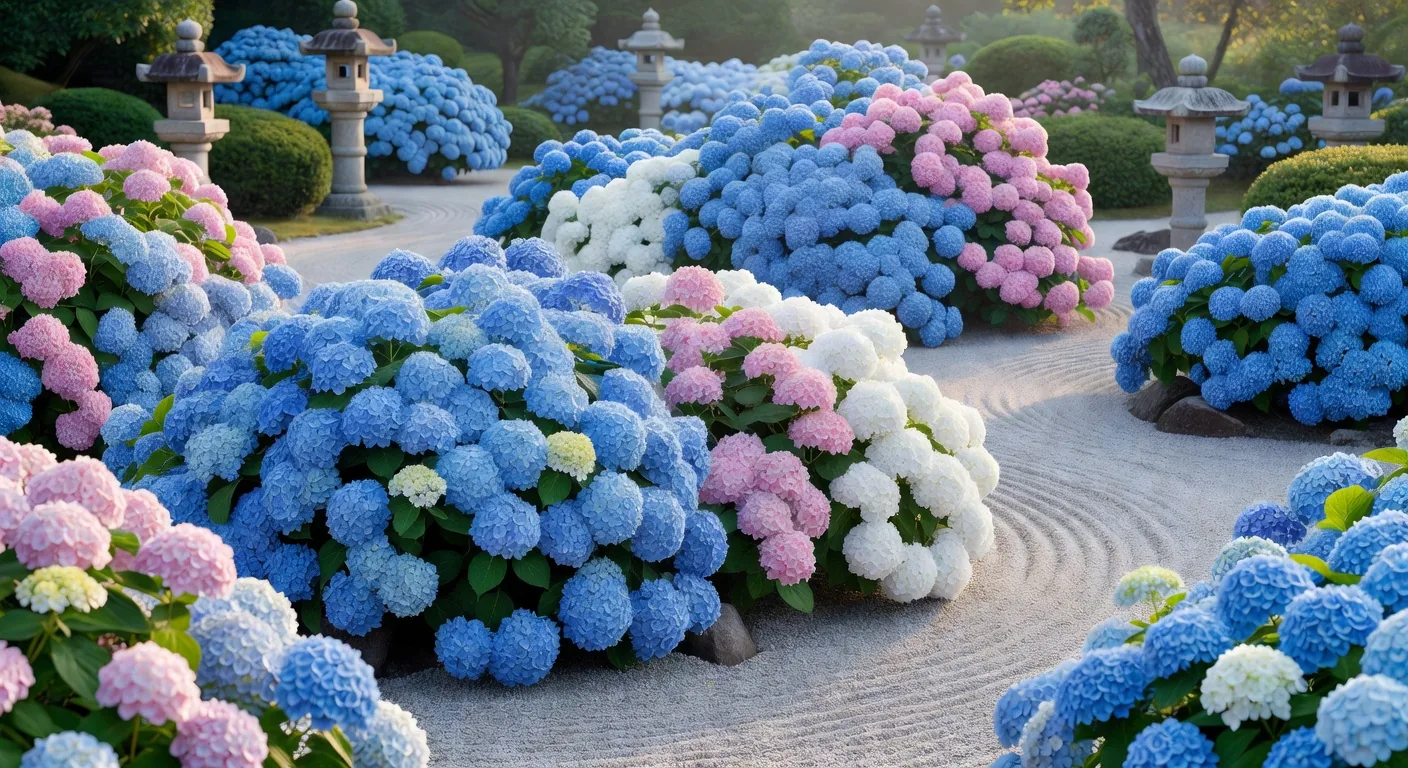
Japanese Hydrangea (Hydrangea macrophylla)
The rainy season flower of Japan, blooming in spectacular blue, purple, and pink mopheads during tsuyu (June–July). Perfect for shade gardens and pond margins.
 Beginner
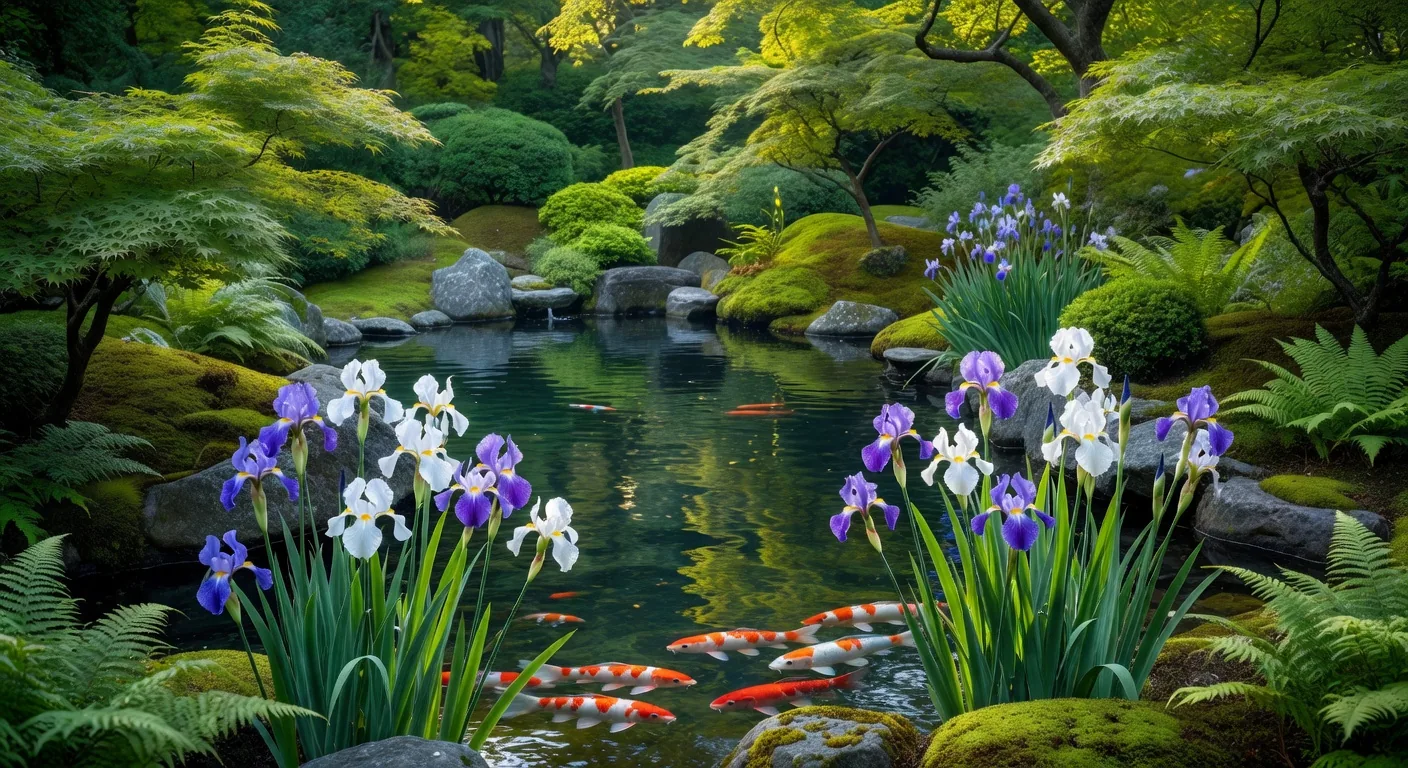
Japanese Iris (Iris ensata)
Beardless irises with flat, elegant flowers in purple, violet, white, and pink. Plant at pond margins or in boggy conditions. Featured in Hiroshige's woodblock prints.
Advanced
Japanese Maple Bonsai (Acer palmatum)
The ultimate in patient artistry. Japanese maples make spectacular bonsai with their delicate leaves and brilliant autumn colour. Requires careful watering, seasonal repotting, and precise pruning.
Seasonal Care Calendar
| Plant | Spring | Summer | Autumn | Winter |
|---|---|---|---|---|
| Cherry (Sakura) | Enjoy bloom; feed after flowering | Water during drought | Rake leaves; check for disease | Formative pruning |
| Japanese Maple | Watch for emerging leaf; slow release feed | Shade from afternoon sun | Spectacular foliage display | Hard prune for structure |
| Bamboo | New shoots; feed generously | Manage root spread; water | Thin old culms | Remove yellow canes |
| Japanese Iris | Divide overcrowded clumps | Deadhead; water heavily | Cut back foliage after frost | Mulch crowns |
| Hydrangea | Remove dead flowerheads; light feed | Water daily in heat; enjoy bloom | Leave flowerheads for winter interest | Hard prune by late winter |
| Black Pine (Kuro-matsu) | Candle pulling for niwaki shape | Second-needle work | Check for autumn aphids | Apply yukitsuri supports |
| Moss (Kokedera) | Hand-weed; water during dry spells | Early morning irrigation | Blow leaves; moss thrives in cool | Protect from heavy frost |
Essential Plant Care Tips
Soil Quality First
Japanese garden plants thrive in well-structured, slightly acidic soils (pH 5.5–6.5) with excellent drainage and good organic matter content.
Water at the Root
Always water at soil level, not on foliage. Morning watering reduces disease risk and ensures moisture reaches deep roots.
Prune with Intention
Every cut in a Japanese garden should be intentional. Prune to reveal the plant's natural structure, not to create a uniform hedge.
Embrace Seasonality
Let your plants mark the seasons. The bare winter silhouette of a maple is as beautiful as its autumn fire — the garden is always alive.